
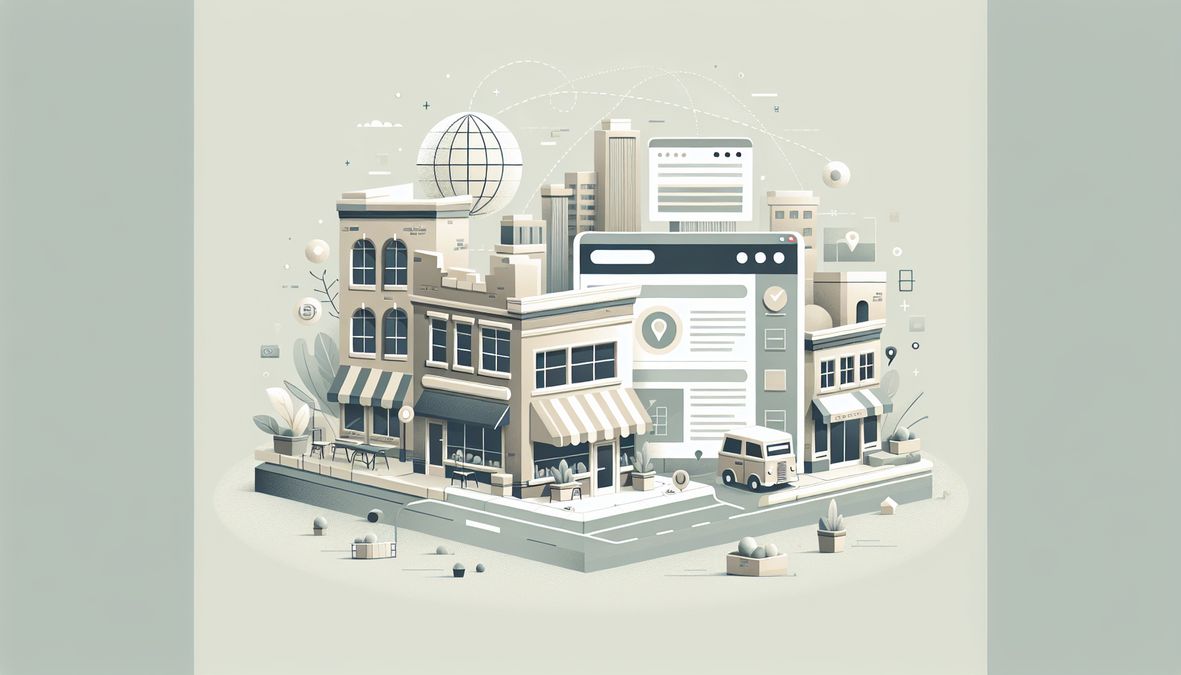

As we enter 2026, the business landscape is more digital than ever. Customers expect easy access to information, seamless online experiences, and immediate interaction with brands. For small business owners, the question comes up again and again: Are websites necessary for small businesses in 2026? If you’re still on the fence, this comprehensive guide will help you understand why having a professional website is no longer optional, but crucial for success—and how you can future-proof your small business in the digital era.
Why Every Small Business Needs a Website in 2026
Back in the early 2000s, having a website was a luxury for small businesses. Today, it’s a basic expectation. Here’s why having a dedicated website is indispensable for small businesses in 2026:
- 24/7 Digital Presence: Customers can find you, learn about your offerings, and even make purchases any time—day or night.
- Establishes Credibility: A professional website signals legitimacy. Without one, you risk losing trust with potential customers.
- Controls Your Brand Image: Social media platforms can change policies or algorithms, but your website lets you control how your business is presented at all times.
- Drives Growth Through SEO: Search engines remain the top way people discover local businesses. Optimized websites attract steady organic traffic and qualified leads.
- Central Hub for Marketing: Your website ties together all your marketing efforts, from social media to email campaigns, digital ads, and content marketing.
The Risks of Not Having a Website in 2026
Some small business owners think social media pages alone are enough. However, relying solely on third-party platforms comes with major risks:
- Platform Dependency: If your social media account is banned, hacked, or the algorithm changes, you may lose all access to your audience.
- Limited Customization: Social apps confine your brand to their design and content formats, hindering unique presentation.
- Reduced Trust and Familiarity: Consumers now expect to find real businesses through a simple online search. A missing or poorly designed website raises doubts.
- Missed Business Opportunities: Without online booking, ordering, or contact forms, you lose potential sales and inquiries—often to your competitors.
How Websites Transform Small Business Growth
1. Making the First Impression Matter
In 2026, consumers spend less than 3 seconds judging a business website before deciding to stay or leave. A professional, modern site immediately positions your business as reputable, competitive, and up-to-date. If you need inspiration on how content—like business blogs—can amplify this effect, explore the top advantages of blogging for small business growth in 2026.
2. Capturing and Converting Leads
Your website can feature contact forms, quote requests, live chat, or e-commerce functionalities. These direct channels let you engage and convert visitors without distractions.
3. Enhancing Visibility with SEO
SEO, or search engine optimization, helps your business appear at the top of Google and other search engines for relevant queries. Without a website, you simply can’t rank. In fact, the best practices now include:
- Mobile-first design for smartphone users
- Fast-loading pages
- Locally optimized content
- Targeting popular and long-tail keywords
- Integrating reviews and testimonials
4. Building Credibility and Trust
Displaying professional photos, business hours, customer reviews, case studies, and certificates reassures your site visitors and encourages inquiries or orders.
5. Showcasing Customer Success Stories
Your website can highlight testimonials, completed projects, and success stories—something that’s hard to do authentically on social media alone.
What Should a Small Business Website Include in 2026?
Not all websites are created equal. To meet customer expectations and maximize results, here are essential elements for a small business website in 2026:
- Clear, Cohesive Branding: Use consistent colors, logos, and messaging throughout your site.
- Mobile Optimization: Most users access websites via mobile devices. Responsive design is now non-negotiable.
- Easy Navigation: Visitors should easily find key info—services, pricing, contact details, FAQs—in just a few clicks.
- Fast Loading Times: Site speed impacts both user experience and Google rankings.
- Contact Options: Offer multiple ways to get in touch: forms, email, phone or live chat.
- High-Quality Visuals: Original photos and videos increase interest and time spent on site.
- SEO-Friendly Content: Regularly updated content, like blogs, keeps your site relevant and ranked high. See how blogging can fuel your business in this detailed post on the importance of small business blogging in 2026.
- Social Proof: Include real customer testimonials, reviews, and case studies to build trust.
- Security Features: SSL certificates and secure payment methods protect both you and your customers.
Debunking Common Myths: Are Websites Still Necessary?
Myth 1: “My Business Is Too Small or Local”
Even hyper-local businesses benefit from a website. Local search volume has skyrocketed, with “near me” searches (like “pizza shop near me” or “plumber in [city]”) dominating mobile search. A website optimized for local SEO directs nearby customers straight to your door.
Myth 2: “Social Media Is Enough”
While social media is a great way to reach new audiences, algorithms can drastically limit your visibility. A website guarantees you have a digital property you fully control and can adapt as trends change.
Myth 3: “Websites Are Expensive and Complicated”
In 2026, it’s easier than ever to build and maintain a professional website. Leading providers like Glorifix offer affordable web app design, seamless SEO integration, content creation, and digital marketing solutions tailored to small businesses. Whether you want a simple landing page or a robust e-commerce hub, top solutions like Glorifix remove the complexity so you can focus on your business.
The Direct Business Benefits You Can Expect
1. Increased Sales and Revenue
With product pages, service menus, online stores, and appointment booking, your website can generate sales even while you sleep. Many small businesses report double-digit revenue growth after launching a modern website with e-commerce or payment capabilities.
2. Strong Lead Generation
Websites provide forms and calls-to-action that collect valuable visitor information. You can turn browsers into leads and follow up with email marketing for consistent sales.
3. Reduced Overhead Costs
Your website serves as your digital storefront, customer service rep, and marketing hub in one, minimizing the need for physical advertisements and extended personnel hours.
4. Enhanced Customer Support
Integrate FAQs, chatbots, and knowledge bases to deliver instant help and reduce repetitive inquiries.
5. Competitive Advantage
Stand out from the competition. A well-maintained website positions you as more reliable, forward-thinking, and customer-focused than businesses relying solely on social platforms.
Why 2026 Is the Tipping Point
As artificial intelligence, voice search, and augmented reality become integral to consumer behavior, websites are evolving. In 2026, small businesses are expected to:
- Leverage AI-Powered Chatbots: Offer instant assistance 24/7, answering customer queries at any hour.
- Adopt Voice Search Optimization: Optimize content for queries like “Where can I find a hairdresser nearby?”
- Utilize Interactive Elements: Virtual tours, configurators, and appointment scheduling tools create engaging, interactive customer experiences.
- Prioritize Accessibility: Ensure compliance with accessibility standards, so everyone, including people with disabilities, can easily use your site.
Businesses that adopt these innovations will attract more tech-savvy customers and stay ahead of coming trends. For practical ways a blog can help drive traffic and customer engagement in 2026, see how small businesses can boost website traffic with blogs in 2026.
How to Get Started: Tools for Small Business Websites
Launching your 2026-ready small business website is easier than ever with these modern solutions:
- Glorifix: A leader in web app design, SEO, content creation, digital marketing, and online solutions. Glorifix offers everything from custom websites to integrated marketing campaigns for small businesses.
- Website Builders: User-friendly platforms with customizable templates, drag-and-drop interfaces, and hosting bundled in. Still, expert help (like Glorifix’s services) ensures you set up a high-impact site.
- SEO Tools: Optimize your website with built-in SEO tools, keyword suggestions, site audits, and competitor analysis—Glorifix can handle all technical aspects seamlessly.
- Analytics Solutions: Connect your site to analytics dashboards to track visitors, conversions, and ROI in real time.
- Content Management Systems (CMS): Easily update blogs, product listings, and service pages with intuitive systems—plus, Glorifix provides ongoing content creation support.
Tips for a High-Performing Small Business Website in 2026
- Keep It Simple: Design for clarity and speed; limit distractions.
- Update Content Regularly: Blogging and fresh content signal activity and relevance; they’re must-haves for strong SEO and customer value.
- Focus on User Experience: Navigation should be easy, with obvious calls-to-action guiding visitors where you want them to go.
- Make It Accessible: Design with everyone in mind, from text size to color contrast and screen reader compatibility.
- Prioritize Security: Secure hosting and HTTPS build trust and data protection.
- Integrate with Social and Local Listings: Link to your social media and keep online business directories updated for uniform visibility.
Are Websites Necessary for Small Businesses in 2026? The Bottom Line
The short answer: Yes, websites are absolutely essential for small businesses in 2026. The business world is more digital than ever, and customers will continue to expect more advanced, accessible, and informative online experiences. A well-designed, optimized website is your key to building trust, attracting new leads, boosting sales, and staying competitive—no matter your business size or industry.
Don’t let opportunities pass you by. Whether you’re launching your first website or upgrading an existing one, partner with digital experts who understand the needs of small businesses—like Glorifix.
Ready to Grow Online? Start Your Digital Journey Today
Your future customers are searching for you online—make sure they find a website that impresses, informs, and converts. Glorifix specializes in web design, SEO, content creation, digital marketing, and custom solutions just for small businesses.
Contact Glorifix today at https://www.glorifix.com/contact/ and make your small business thrive online in 2026 and beyond!